


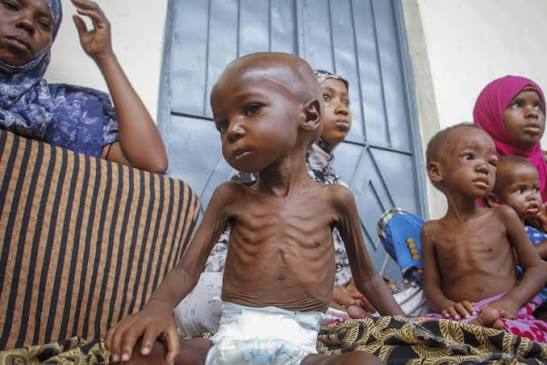
A consultant paediatrician at Isolo General Hospital, Dr Ben Ojewola, has identified poor and inadequate breastfeeding as a major contributor to child malnutrition in Nigeria.
Ojewola told the News Agency of Nigeria (NAN) on Thursday in Lagos that malnutrition significantly contributed to high infant mortality rates across Nigeria and other African countries.
He explained that food insecurity limited mothers’ dietary intake, reducing their ability to produce enough milk for exclusive breastfeeding, which negatively affected children’s growth, health, and development.
Citing the World Health Organization (WHO), Ojewola explained that exclusive breastfeeding meant infants received only breast milk in the first six months, except for vitamins, medicines, or oral rehydration solution.
He decried that many lactating mothers shy away from exclusive breastfeeding due to economic challenges, inflation, and rising food costs, calling for a change to protect child health.
Ojewola emphasised that breastfeeding was a critical survival tool in humanitarian settings and a vital investment in national development, adding that mothers should follow WHO recommendations.
Contributing, Oncologist Dr Tolulope Okunowo, managing partner at MercyWay Medical Centre, said hard labour, stress, and anxiety also reduced breast milk production, forcing reliance on formula feeding.
Okunowo advised breastfeeding mothers to maintain good nutrition and rest, noting that exclusive breastfeeding also acted as an effective family planning method by temporarily inhibiting conception.
She further advocated supportive breastfeeding initiatives in hospitals, workplaces, and communities, stressing that exclusive breastfeeding also enhanced mother-child bonding and overall child well-being.
(NAN)