


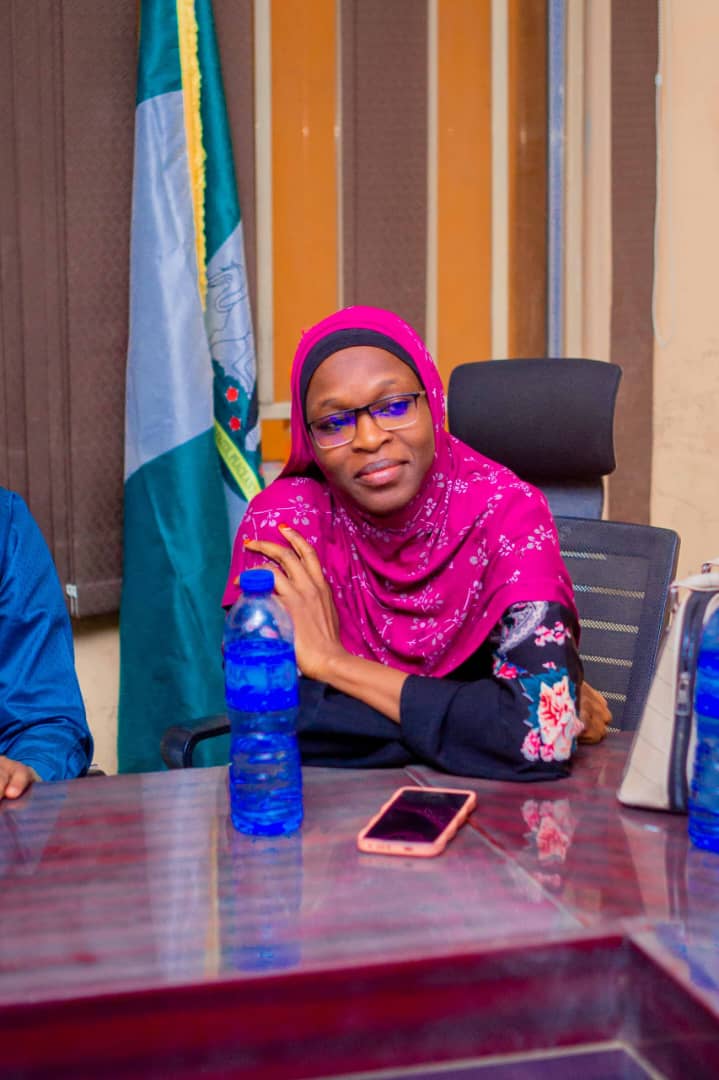
International Women’s Day offers an opportunity not only to celebrate the achievements of women but also to reflect deeply on the realities that continue to shape their lives. It is a day dedicated to recognizing the contributions of women in all spheres of life while advocating for greater participation and inclusion of women in decision-making, particularly on issues that directly affect them.
In communities such as Katsina State, however, the occasion goes beyond celebration. For many women and children, daily life is marked by enormous challenges including insecurity, extreme poverty, hunger, malnutrition, inadequate shelter, and displacement. These harsh realities mean that commemorating the day must also involve sober reflection and renewed commitment to making life safer, more dignified, and more hopeful for women and children across the state.
The Reality
Many women in Katsina continue to endure displacement and lack access to basic necessities. Insecurity has disrupted livelihoods, limited opportunities, and forced families from their homes. In both rural communities and urban centers, the impact of these hardships is deeply felt by women who often carry the burden of caring for their children under extremely difficult conditions.
A Balanced Approach
As we celebrate women, we must also acknowledge their struggles and understand the pain endured by many—particularly those in rural areas and those forced to migrate to towns and cities due to insecurity. Their resilience, courage, and determination in the face of adversity deserve recognition and support from all stakeholders.
Action-Oriented Engagement
While significant efforts have been made by international non-governmental organizations (INGOs), community-based organizations (CBOs), civil society organizations (CSOs), and other partners to support women through food assistance, education, shelter, and psychosocial services, much more remains to be done. The needs on the ground continue to grow, and sustained interventions are essential.
Advocacy for Stronger Policies
There is an urgent need for stronger policies and practical measures to address insecurity, hunger, and housing challenges. It is deeply troubling that many women are still forced to spend nights with their children in uncompleted buildings or on the streets. Such conditions expose them to dehumanization, exploitation, and various forms of abuse, making their situation even more precarious.
Amplifying Women’s Voices
Creating platforms for affected women to share their experiences is crucial. Their voices must guide policies and interventions designed to support them. By listening to their stories and understanding their needs, government institutions, humanitarian organizations, and communities can design more targeted and effective solutions.
The Importance of Collaboration
Addressing these challenges requires strong collaboration among government agencies, non-governmental organizations, community leaders, and civil society groups. Government must prioritize the safety and welfare of women and children, while NGOs should strengthen partnerships to expand relief and support services. At the community level, leaders and CSOs must also develop creative local solutions to combat the injustices faced by women and girls.
International Women’s Day should therefore be more than a symbolic celebration. It should inspire meaningful action. As we honor women for their strength and contributions, we must also commit ourselves to addressing the struggles they face. True celebration lies not only in recognition but in collective action that brings lasting change.
– Amb. Khadija Sulaiman Saulawa, Deputy Chairman, NYCN, Founder, Queen Dijah Initiative